
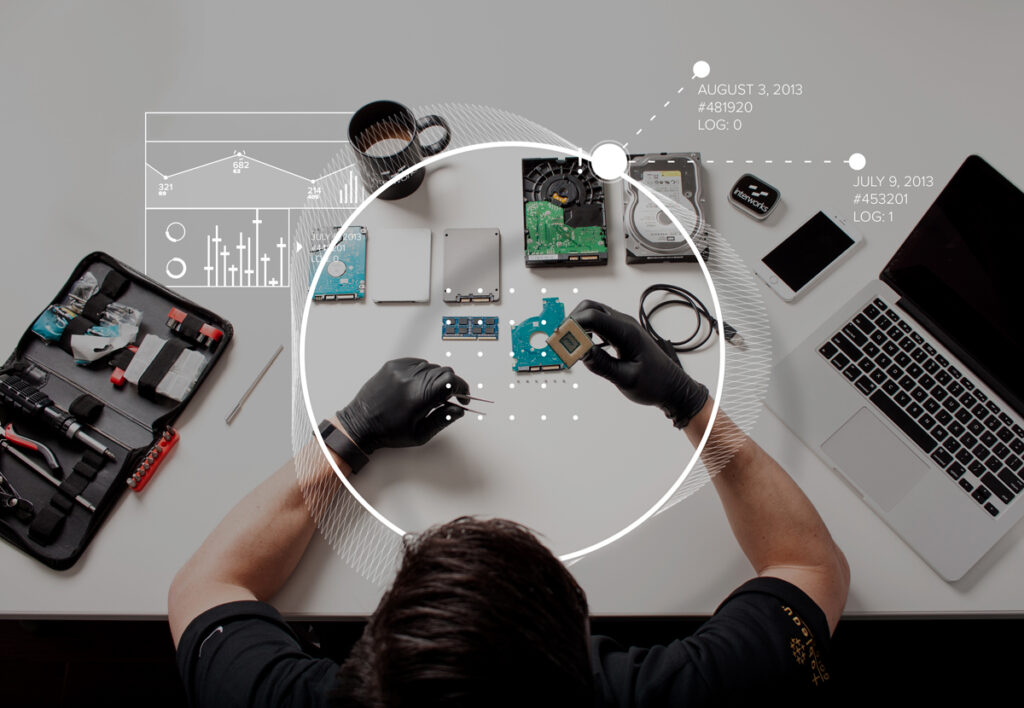
The rise of the Digital Age has drastically transformed the way we interact with technology, both professionally and personally. With digital systems becoming integral to nearly every part of our lives, the influence of Information Technology has reached unprecedented depths. Although technology has served as a powerful enabler across many sectors, it has also introduced serious challenges. Chief among these are the constantly evolving threats of cybercrime and digital fraud, which have become more sophisticated with time. In response to these dangers, the field of Digital Forensics has gained significant prominence, including in cities like Mobile/Eastern Shore, Birmingham, AL, Atlanta, GA.
Digital Forensics is a specialized area within forensic science that focuses on identifying, recovering, analyzing, and safeguarding digital information from electronic devices. These devices include anything capable of storing data digitally—from computers and smartphones to servers. As the digital landscape has expanded, Digital Forensics has evolved into distinct subfields, such as:
- Computer Forensics
- Mobile Device Forensics
- Audio/Video Forensics
- Server Forensics
- GPS Forensics
Among these, Computer and Mobile Device Forensics remain the most widely utilized. Professionals in this domain are trained and certified to handle both visible and hidden digital evidence, including files that have been deleted, altered, or damaged.
Understanding Computer Forensics
Also referred to as Cyber Forensics, Computer Forensics involves the examination of data found in digital storage systems or electronic records. This includes computers, hard drives, USBs, servers, and any device that stores or processes data. Specialists in this area work to uncover evidence that may be critical in legal or investigative scenarios.
Computer Forensics enables the retrieval of a wide array of data—from browsing histories and saved documents to network logs and email trails. Analysts can monitor network activity across local and wide area networks, trace IP addresses, and track digital communications. Even devices that have been intentionally wiped can sometimes yield crucial data. This discipline is especially valuable in resolving legal conflicts and business disputes, where digital metadata can play a key evidentiary role.
Mobile Device Forensics: A Closer Look
Mobile Device Forensics is a vital branch of Digital Forensics that concentrates on extracting and examining data from mobile phones and similar portable devices. Whether it’s uncovering sensitive business leaks from an employee’s smartphone or retrieving essential data from the device of a deceased individual, mobile forensics plays a critical role in investigations.
This branch can reveal GPS location history, call logs, text messages, emails, images, videos, and even calendar entries. Experts can recover deleted files and access information including iPhones. Even if a phone has been damaged, lost, or compromised, Mobile Device Forensics can often restore its contents, aiding law enforcement, legal proceedings, and corporate investigations.
In an age where digital footprints are everywhere, Digital Forensics provides a crucial tool for uncovering truth and ensuring accountability. As cyber threats continue to grow in complexity, the demand for skilled digital forensics professionals is rising globally. Whether dealing with corporate data breaches or personal digital evidence, Digital Forensics stands at the forefront of modern investigative practices.
Certified forensic computer examiners at Digital Forensics Corp. extract and document evidence recovered from smartphones, hard drives, flash drives and more. Even if someone thought they successfully hid or deleted files, our digital investigators often can find them and extract them as evidence in civil or criminal court.